Overview
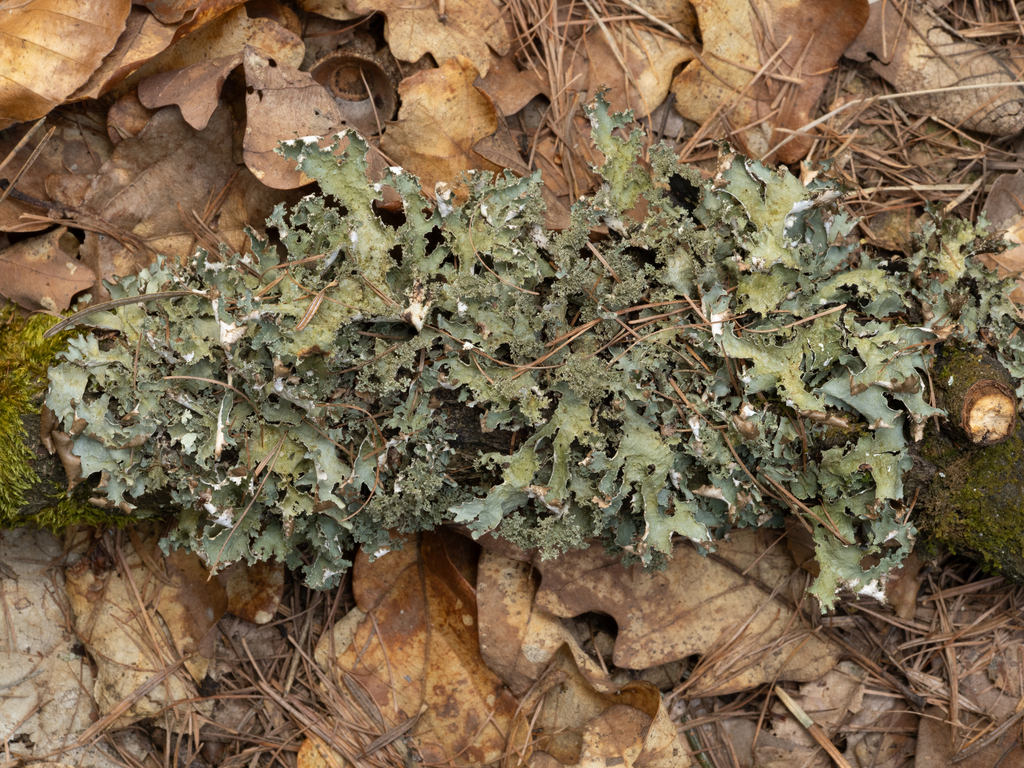
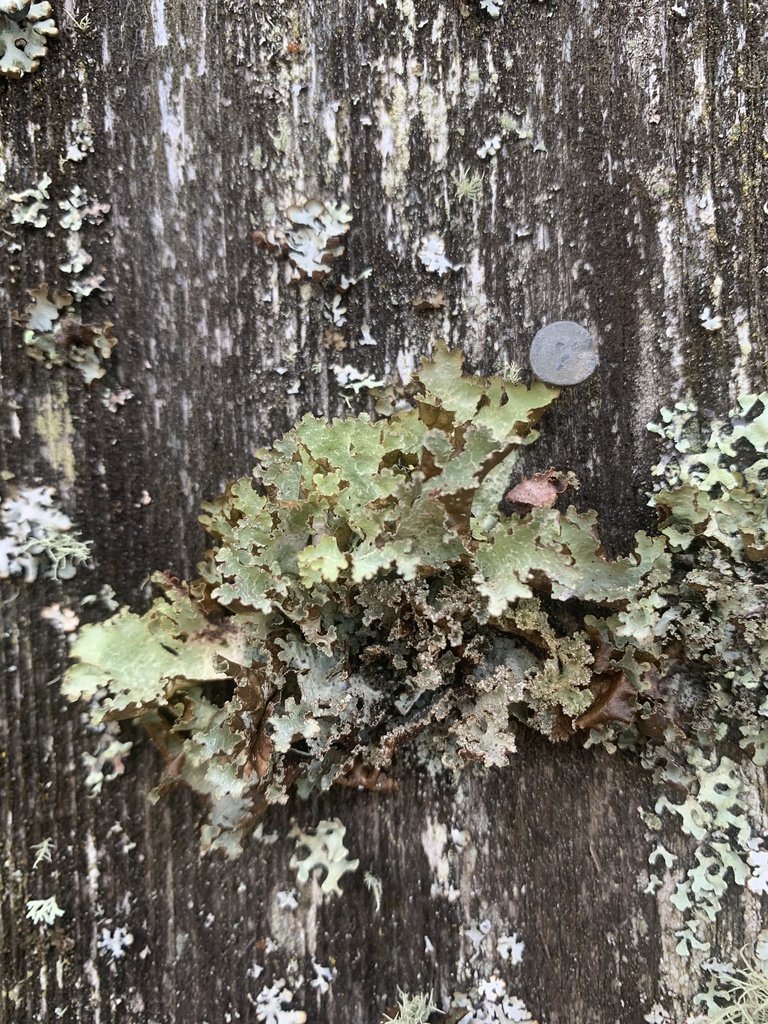
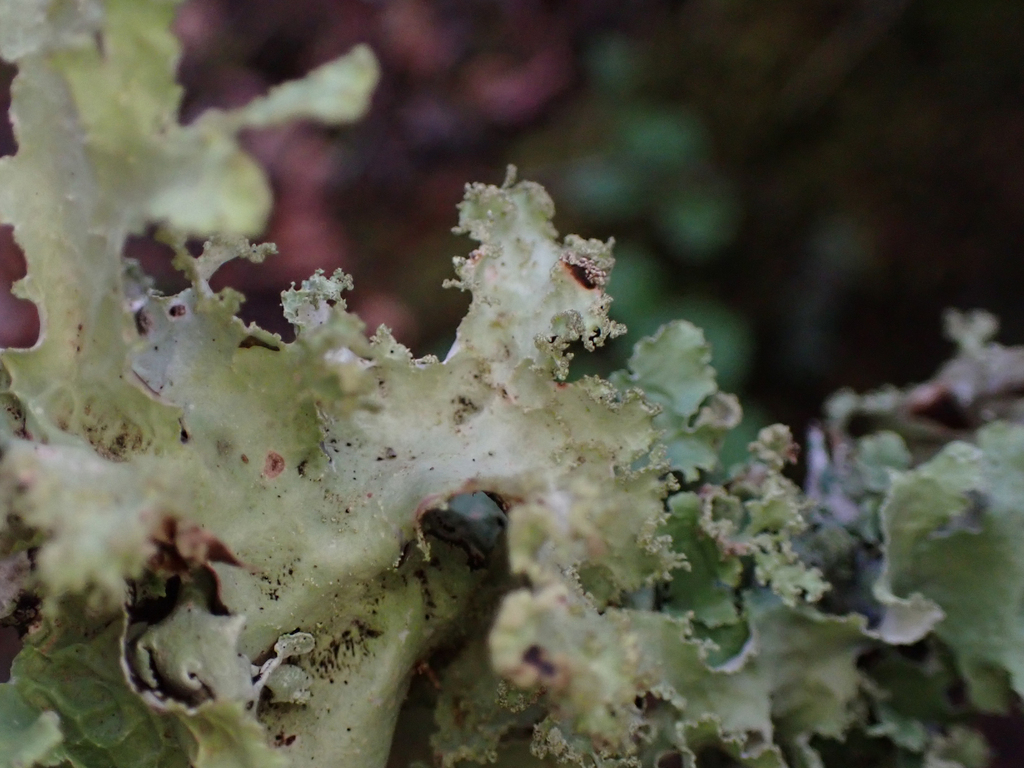
Grayish to pale green with a messy, tufted appearance, Platismatia glauca lacks the distinct network of ridges found in many foliose species. It may bear isidia, soredia, or both, and its underside is a patchy, variable mix of black, brown, and white.
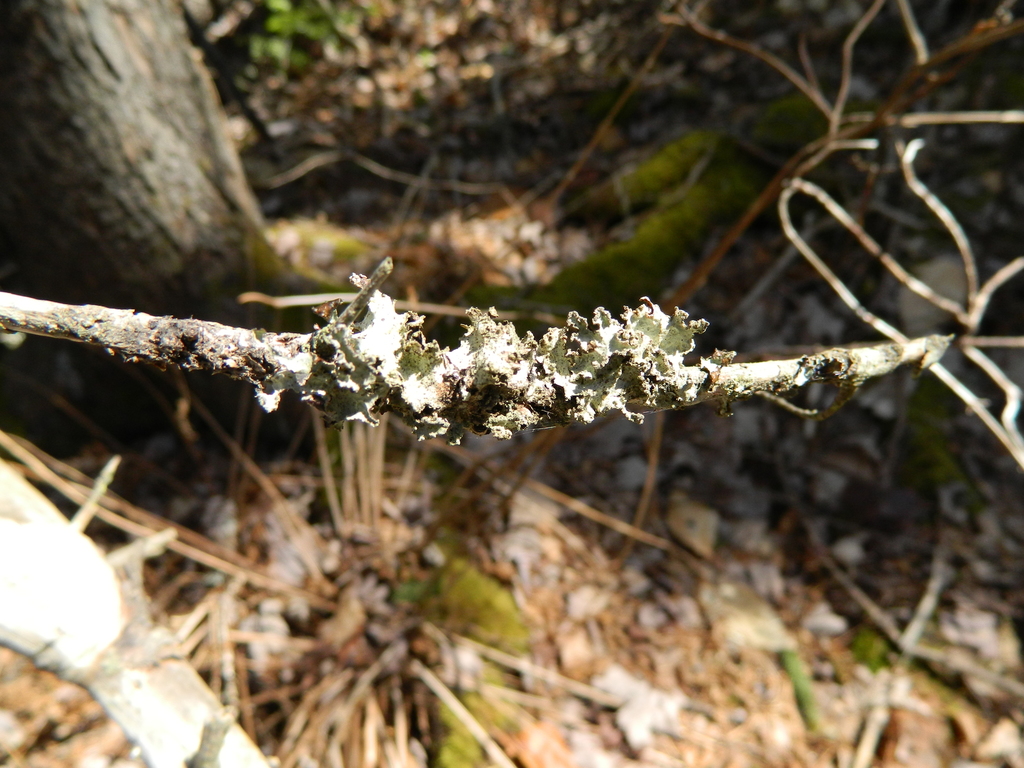
Common on bark , especially conifers, it is frequently found on the forest floor after storms, torn from the canopy by wind and rain. Its ragged, somewhat dishevelled look makes it easy to recognize once you know what to look for.
Identification
- Grayish to pale green with a loose, ragged growth habit.
- Lobes are broadly expanded and wavy-edged, often curling upward.
- May have isidia, soredia, or both (variable , hence the common name).
- Underside is patchy: black, brown, and white in irregular areas.
- When pulled from bark, it comes away in large, papery pieces.
Ecology & Habitat
A common epiphyte in moist conifer forests. Often the most abundant foliose lichen in Pacific Northwest old-growth forests. Provides food and nesting material for invertebrates and small birds. Fallen pieces continue to photosynthesize on the forest floor.
Fun Facts
After winter storms, the forest floor beneath old-growth conifers can be littered with fallen Platismatia glauca , and it continues to photosynthesize and grow on the ground.
Flying squirrels and other small mammals use it as nesting material, prizing its insulating properties.
The common name "Varied Rag Lichen" comes from its highly variable appearance ; no two thalli look quite the same, with different combinations of isidia, soredia, and lobe shapes.
It can absorb up to 3 times its dry weight in water, functioning like a tiny sponge in the forest canopy.
Distribution
Widespread across temperate and boreal regions of the Northern Hemisphere